Anxiety and Depression in Women: Why Symptoms Might Not Look the Way You Expect
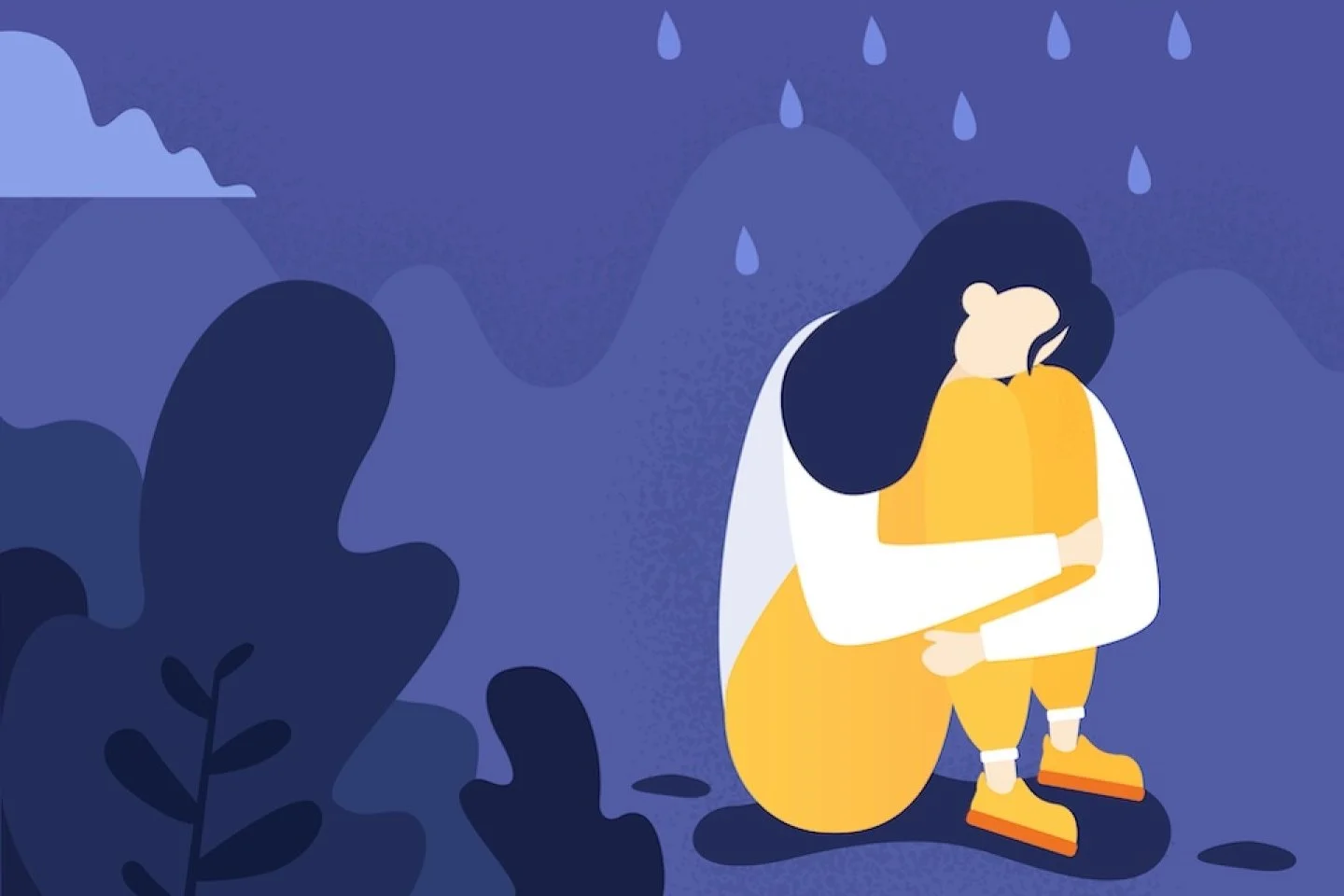
As a psychiatric nurse practitioner, one of the most common things I hear from women is:
"I don't think I'm depressed."
Or:
"I think I'm just stressed."
Many women expect anxiety and depression to look a certain way. They imagine someone who is visibly struggling, unable to work, or unable to manage daily responsibilities. In reality, many of the women I work with continue showing up for their families, careers, and responsibilities while silently carrying a significant emotional burden.
Anxiety in Women Often Looks Like "Keeping Everything Together"
Many women experiencing anxiety are incredibly capable. They manage households, raise children, advance their careers, support loved ones, and handle countless responsibilities every day.
From the outside, they might seem calm and successful. Inside, they often describe feeling drained from constant worry, overthinking, and pressure.
Some common signs of anxiety I see in women include:
•Difficulty turning off racing thoughts
•Constantly worrying about the future
•Perfectionism
•Feeling responsible for everyone else's needs
•Trouble relaxing
•Irritability or frustration
•Problems sleeping
•Physical symptoms such as headaches, muscle tension, or digestive issues
Many women tell me they feel like they're carrying an endless mental checklist that never truly goes away.
Depression Doesn't Always Feel Like Sadness
Another misconception is that depression always means feeling sad.
While sadness can sometimes be a symptom, many women describe depression differently. Instead of sadness, they often experience:
• Persistent fatigue
• Lack of motivation
• Feeling emotionally disconnected
• Difficulty concentrating
• Increased irritability
• Loss of interest in activities they used to enjoy
• Feelings of guilt or self-criticism
• Changes in sleep or appetite
Many women tell me, "I don't feel sad. I just don't feel like myself anymore."
Understanding why women may experience mental health issues differently.
Women often face unique biological and life factors that can impact emotional well-being. Hormonal changes, pregnancy, postpartum adjustments, caregiving responsibilities, relationship stress, workplace pressures, and major life transitions can all contribute to anxiety and depression.
Although these experiences don't automatically cause mental health conditions, they can affect how symptoms develop and how they present.
High functioning doesn't mean you're truly okay.
One of the most important things I want women to understand is that being high functioning doesn't mean you're not struggling. You can succeed at work, be there for your family, handle your responsibilities, and still experience anxiety or depression.
Many women get used to pushing through exhaustion, overwhelm, and emotional distress that they begin to view it as normal.
But over time, these symptoms can affect relationships, physical health, confidence, and overall quality of life.
When should I Reach Out for Support?
You don't need to wait until you're in crisis to ask for help.
If you're feeling overwhelmed, emotionally drained, worried all the time, disconnected from yourself, or not the person you used to be, it might be worth exploring what's going on.
My goal is to provide a compassionate, judgment-free space where you can talk openly about your concerns and feel supported during this journey. Together, we can work to better understand your symptoms and develop a treatment plan that help you feel more balanced, confident, and like yourself again.
You spend so much time caring for others. You deserve care, support, and attention, too.
